I can’t believe we are done!
Seventh grade was a whirlwind and high school seems like it is just around the corner. I definitely felt like this year went by faster then last year! Now here I am putting together a progress report for my local school system and I decided that I should post it here on my blog. Now the school system gets a boring bullet list, but here I can have some fun. Hopefully this gives someone else some ideas about homeschooling the middle school years.
Mathematics:
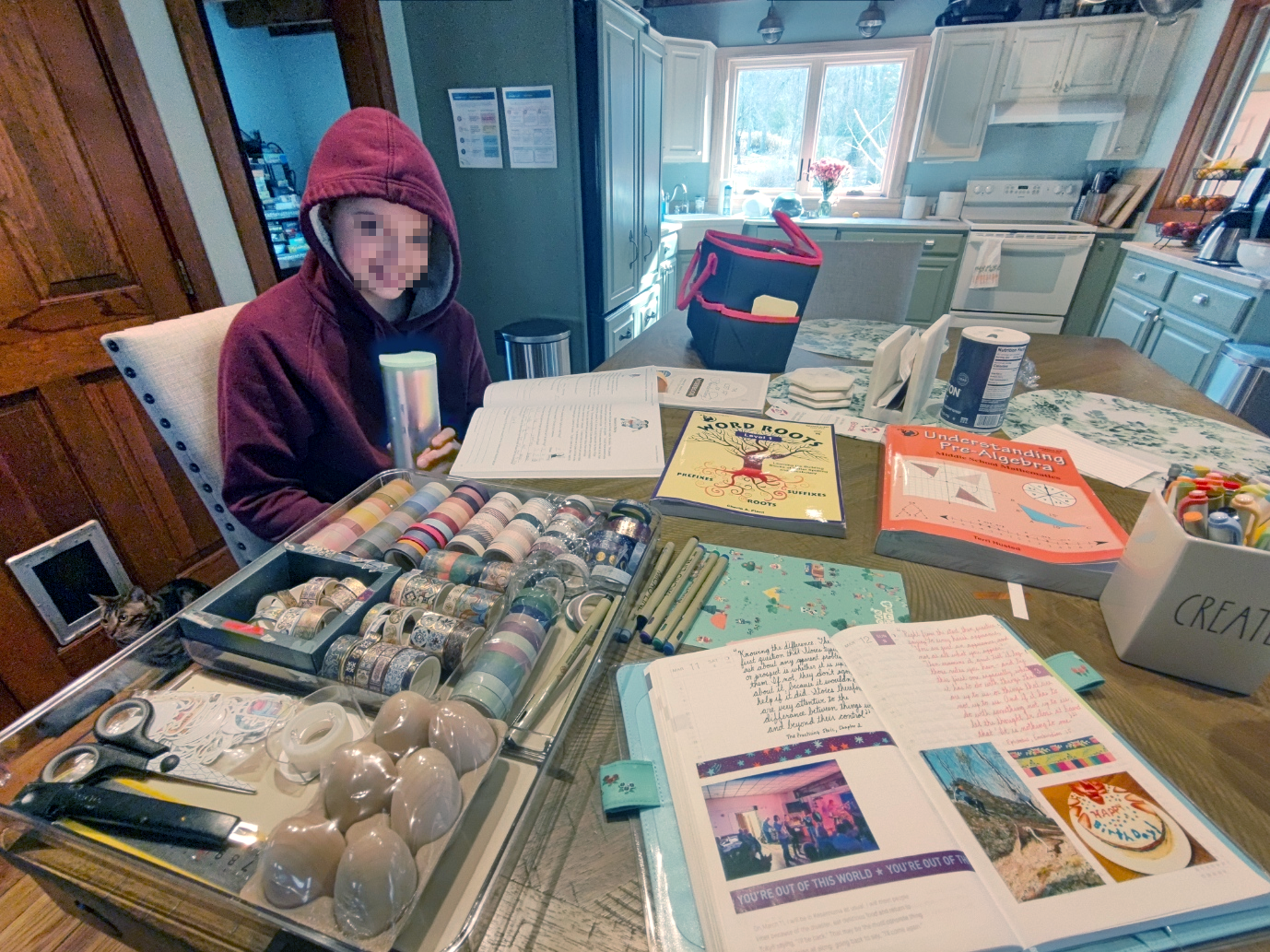
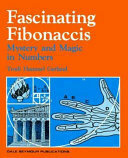
Algebra is just around the corner so we used Understanding Pre-Algebra: Middle School Mathematics this year to get ready.
English Language Arts:
Writing
This year my son did writing with an outside teacher. He used a middle school class from the Well Trained Mind Academy - Expository Writing I. This had him writing narrative summaries, chronological narratives, descriptions, biographical sketches, and sequences, plus beginning literary essays about both fiction and poetry; one- and two-level outlining; thesaurus use and note-taking. This was probably the hardest thing he did this year and he knocked it out of the park.
Literature and Reading
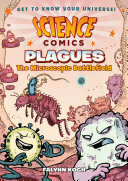
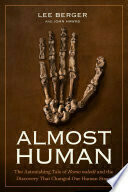
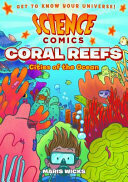
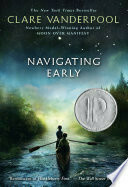
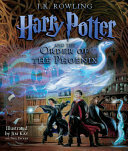
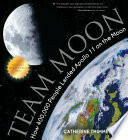
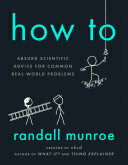
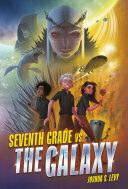
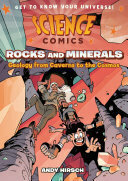
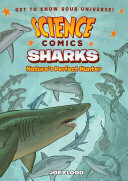
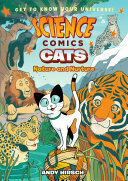
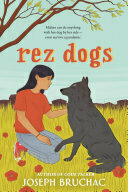
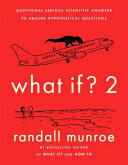
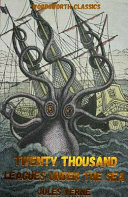
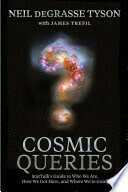
For reading I don’t make a specific list of books that he needs to work through. Though I did stock our home library with about 20 new books for the school year making sure several of those were harder books, either classics or denser non-fiction works. He usually reads both a fiction book and a non-fiction book at a time but it’s up to him to pick out the particular book he wants in those categories.






Grammar and Vocabulary
We used a couple of resources this year to cover common grammatical and spelling mistakes, sentence diagramming, and common Latin roots and stems. The resources were from the Critical Thinking Company: Sentence Diagramming Beginning, Word Roots Level 1, and Editor in Chief Level 2. There was also quite a lot of working with work roots during his interdisciplinary studies with his Falcon’s class (see below)
Science
Science is what my son loves more than anything. “There is no such thing as too much science” is a frequent quote I hear when we are bouncing around ideas of things to do an learn.
Astronomy & Space Science
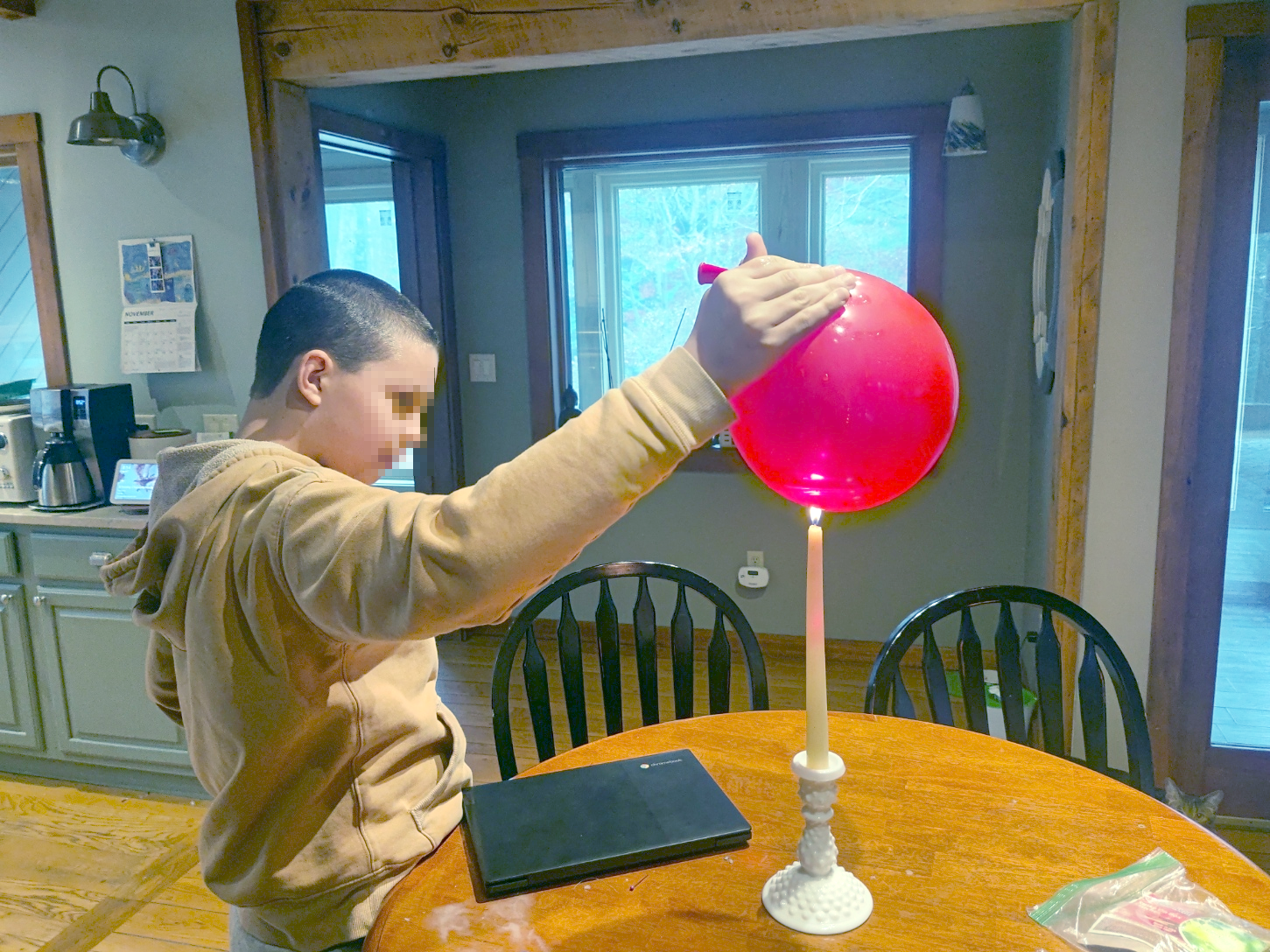
One science he dove into this year was astronomy. He read several non-fiction works around this subject this year (see the reading list above) and took an online class from Outschool for a semester called Twisted Universe: More Ways Math Helps Us Understand Space and in it he covered some amazing topics like Titius-Bode Law and logarithmic patterns of planets in our solar system, ion engines, the Roche Limit, how to use the Rayleigh criterion to understand a telescope’s power, reviewing Newton’s Laws to understand how Newton’s Laws apply to space, the James Webb Space Telescope, what is escape velocity and how to analyze how fast a rocket needs to go in order to leave Earth and the moon, what are Solar Flares, Hubble’s Law, calculating and comparing the speeds each of Saturn’s rings as they orbit the planets and in general, calculating the speed of astronomical objects based on locations at different times. Whew….
Science Sleuths
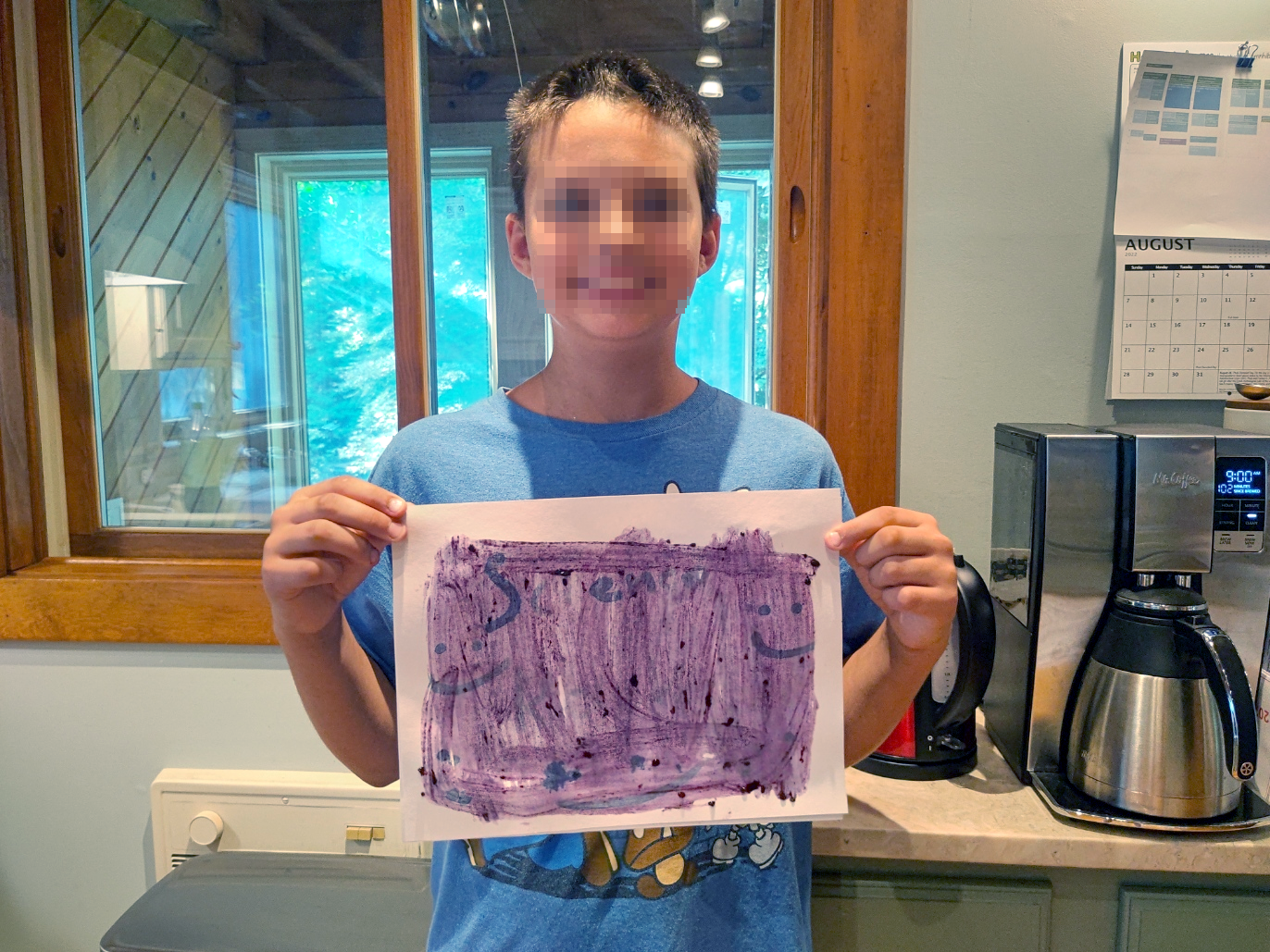
Science Sleuths is a year long online class for middle schoolers that prepares them for honors high school level science classes involving labs. It’s taught by Cheryl Taylor. It covers basic science skills and lab techniques, such as scientific inquiry, scientific measurement, math and graphing skills used in science, and data collection and analysis. That they then use to solve mysteries around forensics topics. He also learned a valuable lesson around not losing supplies from his supply box.
Social Studies & Interdisciplinary Studies
We started the year by going over early American History but that fizzled out before January. Partly because there was an already full course load going on and partly because the online co-op I signed both my kids up for was doing a fantastic job covering social studies and a million other things.
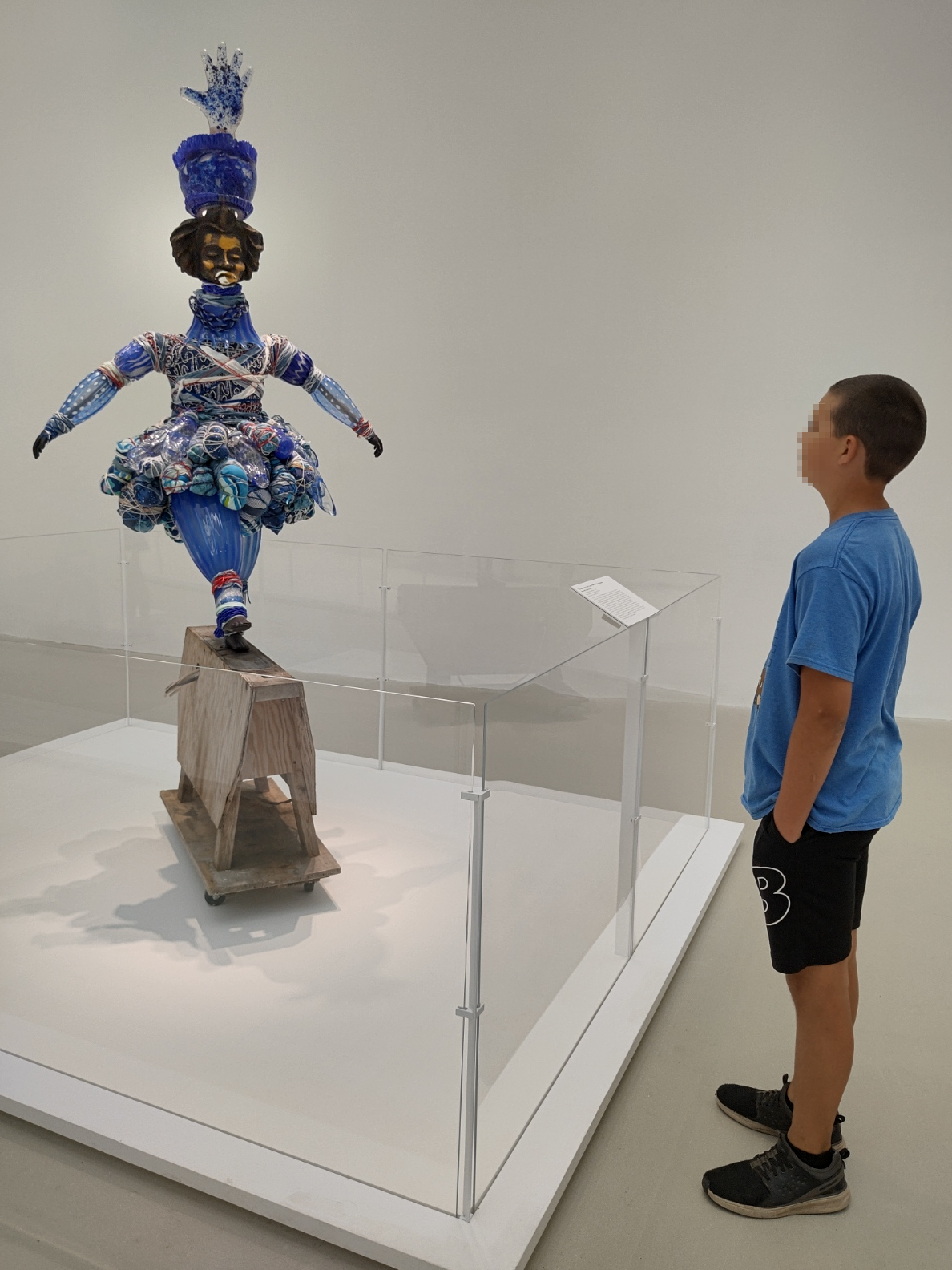
So Falcon’s Edu is an online co-op run by an absolutely fabulous teacher named Anna. She weaves together complex topics for the kids to discuss and has really created a fantastic community. There was a weekly newsletter/paper that the kids put together and ran. My son contributed several pieces around gemstones and other science topics he was interested in at the time. They created a Halloween play and performed it over Zoom, they practiced running the class themselves, they did some crafting every class. They shared their interests and did deep dives on topics like colonialism, geography and how it affected history, selective breeding, taxonomic trees, mass production, plate tectonics, slavery and racism, Native American boarding schools, civic duties, advertising, protests, pandemics, primary and secondary sources, and Pride month. There is no way I could cover all that they did or do it justice, but here are some of the main discussion topics they explored together:
- Can a colonized culture ever go back to the way it was?
- Does might make right?
- What does it mean to own land?
- Apologies and their role in communities and in history
- Diversity, Equity, and Inclusion and what is culture and how does it spread?
- What does it mean to be an adult?
- How do yard sales help save the world?
- How humans around the world work with materials and use themselves as materials
- What does it mean to be indigenous?
- Whose voyages got into history books and why?
- What would happen if all oil drilling stopped today?
- What cultures would we expect to rely on bamboo?
- How many pandemics have happened in history?
- What about invasive species?
- How would US history be different without African diaspora?
- Is a ham and cheese sandwich expensive? What makes something expensive?
- Does child labor make a culture stronger, weaker, or something else?
- Why do so many cultures have similar holidays around the same time of year?
- What is a bad guy?
- What ways did the industrial revolution change society? Why did it change?
- What is a memorial?
- What makes a fruit, a fruit?
- Why is a red panda called a red panda? What other animals are named for animals? Why?
- When did Thanksgiving become a holiday?
- Did humans domesticate dogs, or the other way around?
- What is a missionary?
- Are factories reverent? Can machines be reverent?
- Why do holidays and books get outlawed?
- What does it mean “having good done to you”? (around foster care and indigenous children)
- How can we handle fear-mongering? Demonization versus humanization.
- Do person-made problems also have person-made solutions?
- What’s polite? Different culture mannerisms.
- Why are animals on our planet so different?
- How is a clam like a cricket?
- Why do we classify animals? Is classification constructive in other areas?
- Is hair political?
- The “Don’t Say Gay” bill and other banned books/topics? Why so many so quickly?
- Why do we have moments of silence?
- Who gets to decide what is appropriate?
- When inappropriate things happen in history, what should be done?
Physical Education and Health
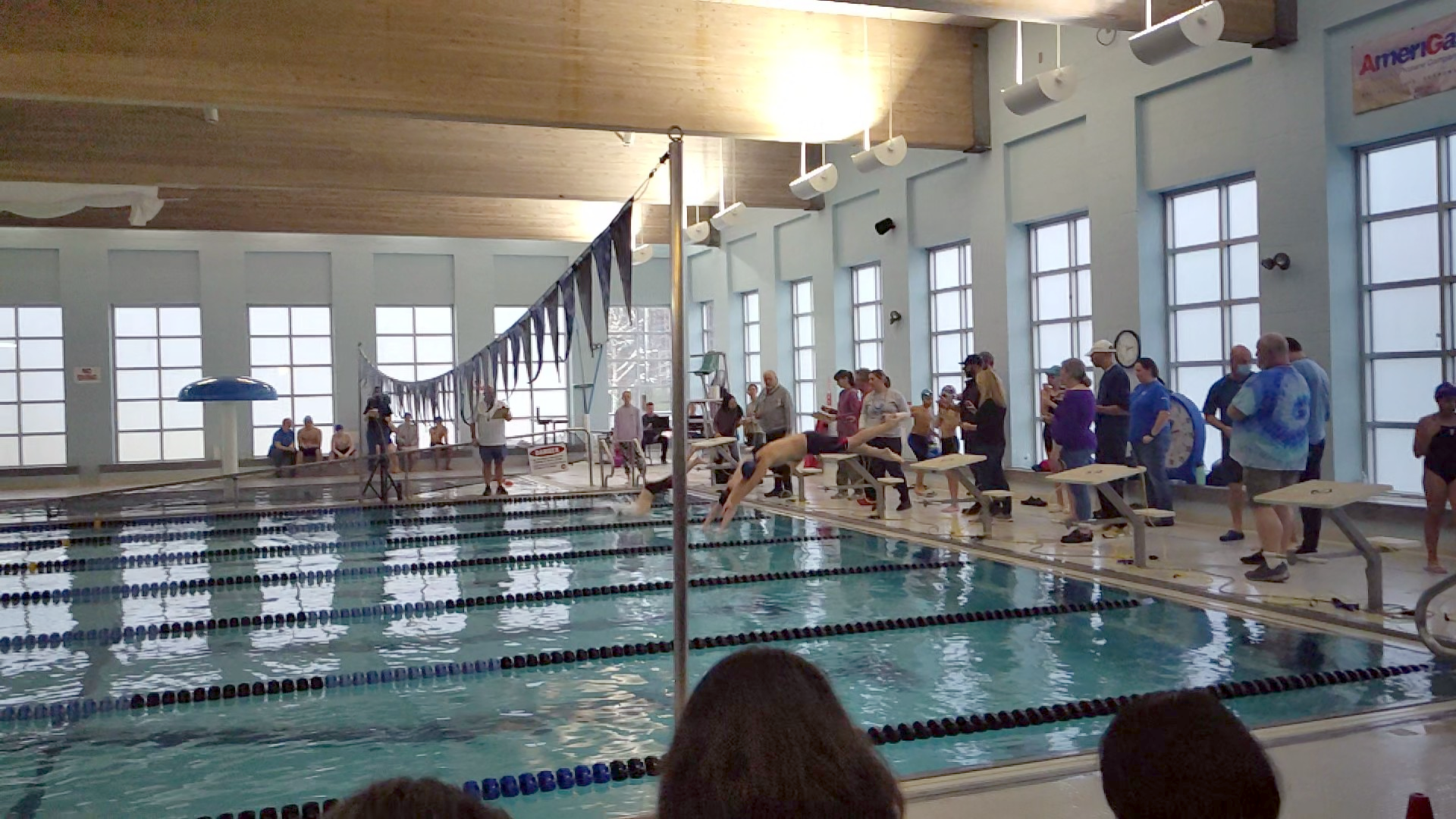
He swam for the local swim team and did Kung Fu at a local school. He also stated going to some Tai Chi classes. I also had a couple books on puberty and sex for him to read and we spent a lot of time going over nutrition and how to keep bodies healthy.
Extracurriculars and Fieldtrips
This year we visited two different aquariums, the Corning Museum of Glass, and Niagara Falls. He did an 8 week course on python coding and continued playing the clarinet.
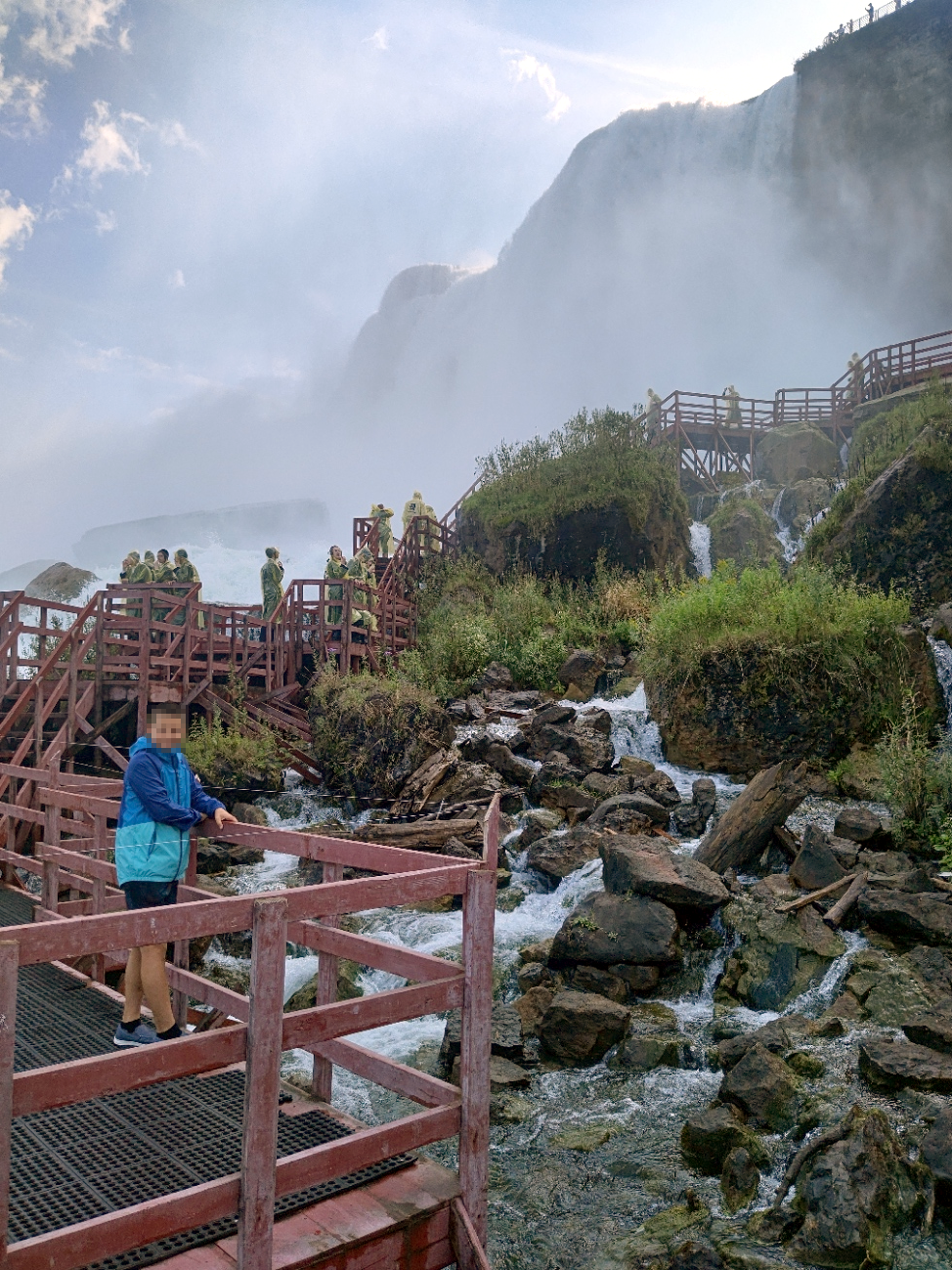
So that was it. Whew! No wonder the year flew by. He is excited for eighth grade, summer camp and more swimming! He also started a D&D campaign with some cousins and friends. Next up… braces 😆
 Loura
Loura