Recently I’ve been met with paired astonishment, me at them and them at me, when I under-indicated my skills in conversation. It doesn’t matter what skill in question. Taijiquan, writing haiku, or software development. My perspective is that I’m a beginner, maybe advanced beginner if I’m being generous. Not impressive. Theirs is the opposite. I’m flabbergasted at the praise and they seemed incredulous I don’t get it.
It’s not a new occurrence but with it happening twice in quick succession, once with my taijiquan teacher and once with an acquaintance I’m hoping a friendship will develop with, it made me pause and take notice. And think about where the disconnect might be. They are both intelligent individuals and I take their opinion seriously. I also am aware, in vague terms, that I’m prone to undersell myself. I used to attribute that to my upbringing. My family was very critique oriented. But lately I’ve been thinking the root cause is something else entirely.
I’m not 100% sure when I connected the dots and determined I have a severely deficient autobiographical memory or SDAM. I don’t have a very strong time-sense of the past. More than a few years ago… I think. Just like now, I had questions about my inner experience, read an article and realized it was describing me. Cool. Except, maybe not? Unlike some other experiences I’ve read about with people discovering they might have SDAM, I didn’t react negatively. Just another fact to store in my back pocket so to speak. But now, if I think it through, it might explain a few things about this situation.
Have you ever read an autobiographical account about someone? I’ve read a bunch and as a kid (embarrassingly as a young adult as well) I thought they were just making stuff up. It is impossible to have a past that way. At least that’s how it appeared to me. That version of memory, the episodic kind that encompasses recalling events or episodes in your life and the autobiographical kind that builds a personal history and a sense of self, is largely locked off to me. I can grab and hold on to the factual information but everything else fades and runs together like a chalk drawing in the rain. Gone when the weather clears. If I can’t hold onto my past, what am I to compare the present to?
It was easier when I was in school. I either got the grade or I didn’t. That was a built in metric for how I was doing. Sports as well. I swam well in the meet or I didn’t. I didn’t need to guess or reflect. But when you leave school and childhood people stop giving you reliable metrics. Sure, I have goals at my job. Unfortunately, with my sample size of three jobs, performance reviews seem more a political thing than a true measure of progress or skill. I don’t remember learning to code. I did at some point and I’m better at it now. But how much better? How much better compared to others? I can always point to a multitude of things around software development I don’t know yet. So how can I be advanced at it? There is no memory or feeling of learning. I can only access how it feels to write code now. So how can I judge?
With coding at least I can approximate. I can look at what I wrote years ago and can spot lots of errors or better ways to do things. Honestly, if it wasn’t saved on my computer and I didn’t have the factual knowledge it was mine, I’d be none the wiser as to who wrote it. There is no emotional connection to it. Same with poetry and journals. Not even an echo of feeling if it’s been long enough. So where does that leave things that don’t have obvious artifacts? Say, a moving meditation practice like taijiquan? Same root problem. I have no feeling of ever learning, of feeling awkward and clumsy with the movements. Of not being able to find my root and balance. Taijiquan is the bedrock I want to build my life on and I’ve wanted for a while to take my practice to the next level. But how can I do that, if I can’t do an honest assessment of where I am based on where I’ve been?
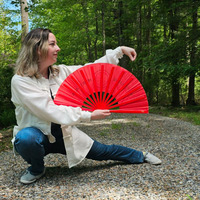
Last year I signed up for a competition. Why? Because my first taijiquan teacher had stopped giving me feedback, for a long time actually, and though I could tell I was the most advanced out of the regular students, I couldn’t tell if I was stagnating. So off I went to at least have some external metric (despite taijiquan competitions not always ranking against internal skill versus external showmanship). It was eye-opening. I did well but it also shone a light on the uncomfortable truth that I needed to move on from my teacher. I’m happy now with a new teacher but it highlighted the fact that unless I’m vigilant and have external goalposts, I can easily end up not moving forward. I’m blind to the feeling of advancement.
Now that I have a better idea of what the issue is for me, I need to figure out what I can do about it. I can start using the feedback from others who comment on my skills as metrics rather than dismiss it as a type of flattery. And I can make sure I have teachers who give me concrete feedback at regular intervals. This is all pretty basic, but honestly it never really occurred to me. It’s never really registered that others probably have an internal sense of progression and accomplishment that they can reference and that my lack of it has real consequences. I stay in situations where I stagnate way too long without the perception of it. It’s better to figure it out in my forties than later, but it’s made me consider whether I may have been farther along in my career or in my taijiquan journey if I had questioned this aspect of myself sooner.
P.S. I drafted this blog post just about three weeks ago before circling back to it over the weekend. I hadn’t finished the last paragraph since I wasn’t sure how I wanted to end it. The tone of it, new and unedited, stuck out like a sore thumb. In three weeks, I could no longer summon the emotional state I was in when I started, and honestly I probably couldn’t at a week out either. I edited it back to match, but still. It’s an apt illustration and a reminder why I don’t or shouldn’t sit on drafts long.
 Loura
Loura